

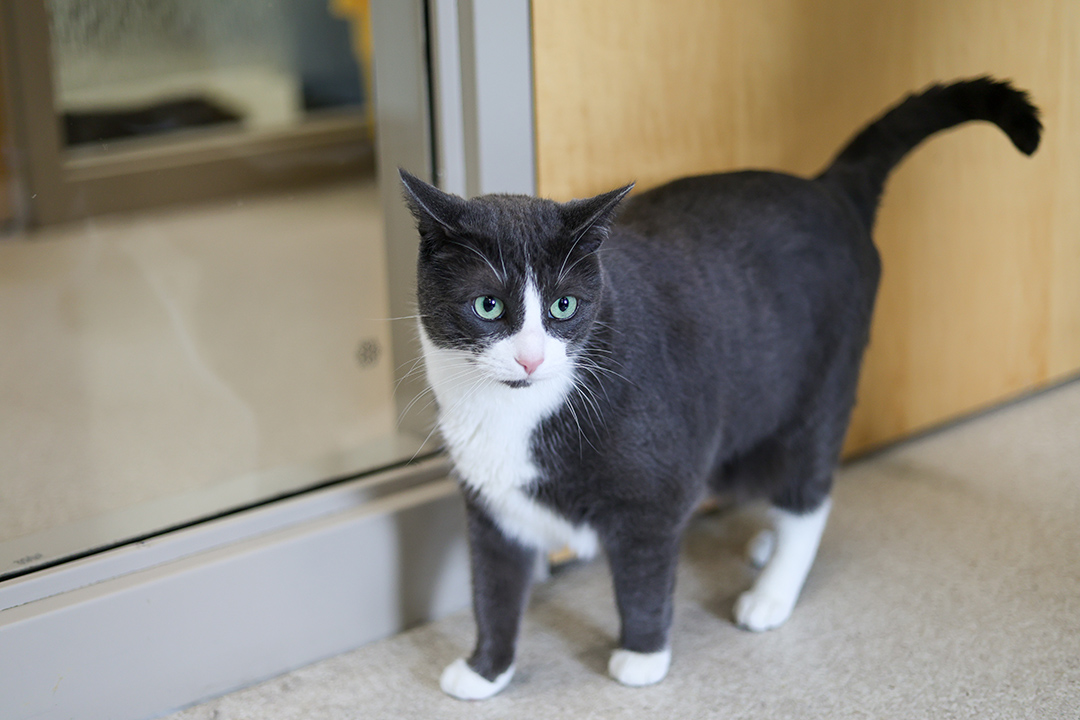
WCVM seeking cats with FIP for research study
Researchers at the Western College of Veterinary Medicine (WCVM) are seeking cats that have been diagnosed with feline infectious peritonitis (FIP) to take part in a research study investigating coagulation abnormalities linked to the disease.
Why is this study important?
FIP is a serious coronavirus-related disease in cats. Evidence suggests that some cats with FIP develop clinically significant abnormalities in blood coagulation, resembling cases reported in people with severe COVID-19 infections.
The study aims to:
- characterize coagulation abnormalities in cats with FIP
- determine if blood clotting can improve with antiviral treatment
- investigate similarities between coagulopathy in cats with FIP and people with COVID-19
- improve diagnosis and treatment options for cats with FIP
What will be done?
Participating cats will:
- receive coagulation testing before starting treatment and again after six weeks of antiviral therapy
- have a physical examination approximately halfway through treatment
- undergo weekly at-home monitoring, including body weight and quality-of-life assessments
- attend a minimum of two study-related visits at the WCVM Veterinary Medical Centre (VMC)
Your patient may qualify if they:
- have been diagnosed with FIP, or are suspected of having FIP, by their local veterinarian or the VMC Small Animal Clinic
- are healthy and do not have FIP or related medical conditions (for participation as a control cat)
- can attend study-related visits at the WCVM
Cats may not qualify if they have certain medical conditions that could affect study results, such as:
- a known blood-clotting disorder
- a previous cancer diagnosis
- taking medications or steroids known to affect coagulation
- underlying heart disease
What is included?
For cats with FIP
- Six weeks of antiviral treatment.
- Specializing coagulation (blood-clotting) testing.
- Two follow-up complete blood count (CBC) tests.
- Study-related veterinary visits.
- Access to WCVM clinicians experienced with FIP.
For healthy control cats
- A complete physical examination.
- Basic blood testing.
- Coagulation assessment.
Owners are responsible for:
- initial diagnostic testing required to confirm FIP
- hospitalization and stabilization costs, if needed
- ongoing monitoring and treatments, including bloodwork
- any additional medications or therapies required to manage complications of FIP
What are the benefits and risks?
Benefits
This research has the potential to improve diagnosis and management of coagulation related to coronaviruses in animals and people.
Participating cats have access to antiviral therapy, coagulation testing and check-ups related to FIP, conducted by clinicians experienced with treating the disease. Healthy control cats will have access to a free full physical examination with basic bloodwork.
Risks
Blood collection may cause temporary discomfort. A small amount of local anesthetic will be used to reduce discomfort whenever possible.
The antiviral medication GS-441524 has been shown to be very safe, although uncommon side effects affecting the liver, kidneys or urinary tract have been reported.
How can I learn more?
For more information about this study, contact:
Dr. Elisabeth (Liz) Snead
Professor, Department of Small Animal Clinical Sciences
Western College of Veterinary Medicine, University of Saskatchewan
306-222-7755